
The Power of Empathy in Leadership

Imagine a CEO who remembers every employee by name, checks regularly on their well-being, and actively seeks diverse perspectives. This is the reality of empathetic leadership in many successful organizations today.
A study by Businessolver found that 96% of employees believe showing empathy is an important way to advance employee retention. However, only 50% of employees believe that their employers demonstrate empathy effectively. Leaders who understand the emotions, challenges, and motivations of their teams create stronger relationships, improve team communication, and increase employee engagement.
As organizations navigate rapid change and growing workforce expectations, emotional intelligence in leadership has become a critical factor for success. Empathetic leaders foster trust, strengthen workplace culture, and encourage innovation by making employees feel valued and understood.
In this article, we explore the history of empathy, its role in effective leadership, and practical strategies leaders can use to develop stronger empathy skills.
The History and Evolution of Empathy
Empathy, which refers to understanding and sharing the emotions of others, has existed throughout history and has continued to develop over time.
The Origins of Empathy and Its Evolution Over Time
The idea of empathy dates back to early civilizations. Ancient Greek thinkers such as Aristotle discussed the significance of understanding emotions in human relationships. The word “empathy” comes from the Greek term “empatheia,” meaning passion or affection. However, empathy was not scientifically examined until the 19th century. In the 1870s, German philosopher Robert Vischer introduced the concept “Einfühlung,” meaning “feeling into,” which later became the basis of the modern understanding of empathy.
During the 20th century, empathy gained major importance in psychology, especially through the work of Carl Rogers. Rogers emphasized empathy in therapy and considered it a key element of effective counseling. His client-centered approach greatly influenced psychology and human interaction in general.
Empathy in Different Cultures: How Different Cultures Have Understood and Valued Empathy
Different societies interpret and value empathy in their own ways. In Eastern traditions like Buddhism and Confucianism, empathy is strongly connected with compassion and understanding. Buddhist teachings highlight “Karuna,” meaning compassion, as an important virtue. Likewise, Confucianism encourages “Ren,” which refers to kindness, humanity, and empathetic understanding toward others.
In Western societies, empathy has been shaped by philosophy and religion. Christianity promotes the teaching of “loving thy neighbor,” which naturally reflects empathetic behavior. Indigenous cultures worldwide also emphasize unity, relationships, and community living, all of which encourage empathy.
Empathy in Leadership Through History: Notable Historical Leaders Known for Their Empathy
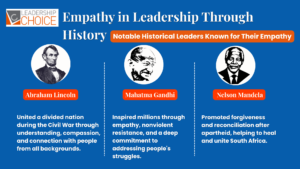
Throughout history, several leaders demonstrated empathy through their leadership approaches, contributing to their success and influence.
One major example is Abraham Lincoln, who was respected for his ability to connect with individuals from different backgrounds. His empathetic nature was reflected in his speeches and his efforts to reunite the nation during the Civil War.
Another example is Mahatma Gandhi, whose leadership during India’s independence movement was grounded in empathy and peaceful resistance. Gandhi deeply understood the hardships of his people, which helped him unite the nation toward a shared objective.
Similarly, Nelson Mandela displayed remarkable empathy during the struggle against apartheid in South Africa. Despite facing injustice personally, Mandela chose forgiveness and reconciliation, helping heal and unite a divided country.
Learning about the development of empathy throughout history helps modern leaders understand its value. By studying historical leaders and cultural perspectives, today’s leaders can use empathy to create stronger and more successful teams.
The Importance of Empathy in Modern Leadership
Empathy is a vital quality of successful leadership. It greatly influences teamwork, communication, and innovation within organizations. Understanding its impact can help leaders build healthier and more productive workplaces.
Empathy and Team Dynamics: How Empathy Strengthens Team Cohesion and Morale
Empathy plays a major role in creating strong team relationships. When leaders genuinely care about the well-being of their employees, trust and belonging naturally develop within the team. Employees who feel appreciated and understood are more likely to cooperate effectively, improving teamwork and unity.
Empathetic leaders are also more capable of identifying and resolving conflicts or challenges within the team. This creates a supportive atmosphere where employees feel heard and respected. As a result, morale improves, job satisfaction increases, and employee turnover decreases.
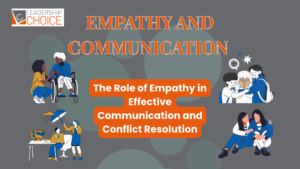
Empathy and Communication: The Role of Empathy in Effective Communication and Conflict Resolution
Strong communication is essential for effective leadership, and empathy is a major part of it. Empathetic leaders actively listen to their employees and make efforts to understand their concerns and viewpoints. This approach helps employees feel respected while encouraging honesty and openness in the workplace.
When conflicts arise, empathy enables leaders to recognize the emotions and motivations behind disagreements. By understanding all sides of the issue, leaders can resolve problems more constructively and maintain positive relationships within the organization.
Empathy and Innovation: How Empathetic Leadership Fosters Creativity and Innovation Within Teams
Innovation grows in workplaces where employees feel safe sharing ideas without fear of criticism. Empathetic leaders create such environments by encouraging communication and respecting diverse opinions.
When employees know their ideas are valued, they become more willing to think creatively and take initiative. Empathy also allows leaders to recognize each individual’s strengths and weaknesses, helping them assign responsibilities effectively and encourage teamwork. By building an empathetic culture, leaders can inspire innovation and motivate teams to develop creative solutions.
Empathy is not merely a soft skill; it is a powerful leadership asset that improves organizational success.
Practical Tips for Developing Empathy as a Leader

Empathy is a skill that leaders can strengthen through regular practice. Below are practical methods leaders can use to improve their empathy.
A) Active Listening: List of the Top Techniques for Truly Hearing and Understanding Team Members
Active listening means giving complete attention to the speaker instead of simply hearing words.
- Maintain eye contact to show attention and interest.
- Use body language such as nodding and smiling to show understanding.
- Avoid interrupting while others are speaking.
- Repeat or summarize what was said to confirm understanding.
- Ask open-ended questions to encourage deeper conversations.
B) Emotional Intelligence: List of the Top 5 Factors for Building Emotional Intelligence to Enhance Empathetic Interactions
Emotional intelligence involves recognizing and managing emotions effectively.
- Self-Awareness: Understand your own emotions and their effects on your actions.
- Self-Regulation: Learn to manage emotional reactions and impulsive behavior.
- Motivation: Stay focused on goals with positivity and determination.
- Empathy: Work toward understanding the feelings and perspectives of others.
- Social Skills: Strengthen communication and relationship-building abilities.
C) Perspective-Taking: List of the Top 5 Strategies for Seeing Situations from Others’ Viewpoints
Seeing situations from different perspectives is important for empathetic leadership.
- Imagine yourself experiencing the same situation.
- Encourage different opinions and viewpoints within the team.
- Observe body language and tone carefully.
- Reflect on personal experiences similar to others’ situations.
- Ask team members directly about their feelings and opinions.
D) Regular Feedback: List of the Top 5 Ways to Encourage and Implement Feedback to Grow Empathy
Feedback allows leaders to understand how their behavior affects others and identify areas for growth.
- Build a safe atmosphere where employees can speak honestly.
- Listen openly without reacting defensively.
- Take action based on the feedback received.
- Give constructive and improvement-focused feedback.
- Follow up regularly to evaluate the impact of changes.
E: Empathy-Building Activities: List of the Top 5 Exercises and Activities to Practice Empathy Within Teams
Specific activities can help strengthen empathy within teams.
- Role-Playing: Team members act out different situations to understand various perspectives.
- Empathy Circles: Team members openly share thoughts and emotions without judgment.
- Mindfulness Meditation: Encourage practices that improve emotional awareness and self-control.
- Team-Building Activities: Engage in cooperative tasks that promote understanding and teamwork.
- Story Sharing: Share personal experiences regularly to strengthen team relationships.
Developing empathy requires consistent effort and a genuine commitment to valuing the experiences and emotions of others.
Developing empathy as a leader requires intentional practice and a commitment to understanding and valuing the experiences of others.
The Transformative Power of Empathy in Leadership
Empathy plays a vital role in strong leadership by improving collaboration, communication, and creative thinking within teams. By listening attentively, strengthening emotional awareness, and considering different viewpoints, leaders can build a workplace where people feel valued and supported. Ongoing feedback and activities that encourage understanding of others help reinforce these abilities, creating stronger trust and teamwork.
Leaders who make empathy a priority can strengthen their effectiveness and inspire higher levels of commitment and performance from their teams.
“Leadership is not about being in charge. It is about taking care of those in your charge.”
– Simon Sinek
About the Author:

Pat Bosworth
Founder and CEO Patrick effectively coaches leaders at all levels and across a number of industries with a pragmatic, consultative approach. Previously, he was vice president with Right Management and held other senior OD and development positions in manufacturing and the professional services Industries.
He holds an M.S. in Industrial/Organizational Psychology from Lamar University.